Content prepared and tested by BrandBar's professional bartending team.
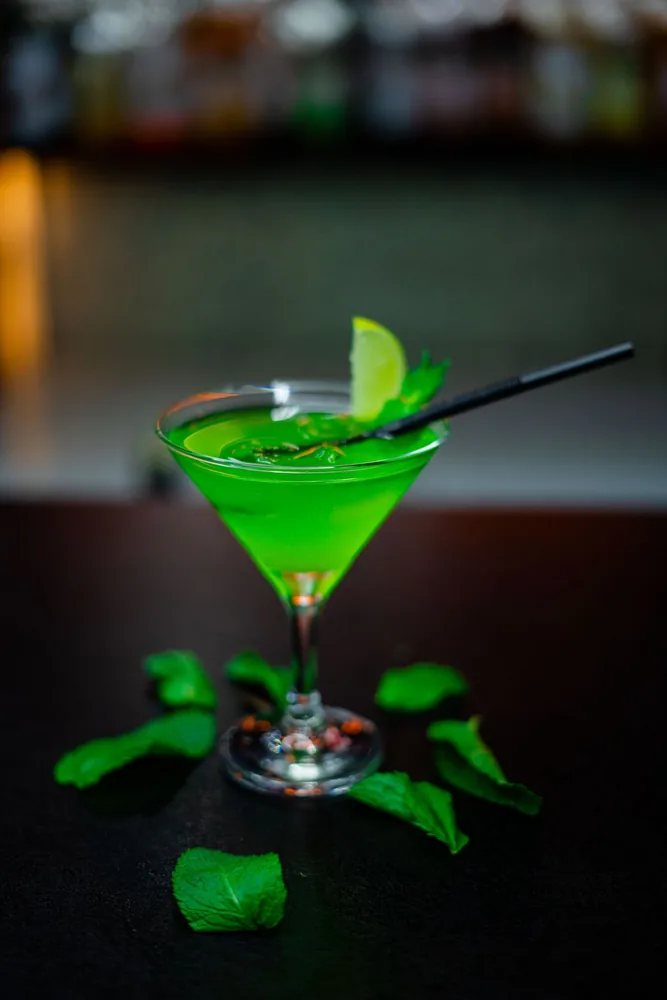
A liqueur does two jobs in a cocktail at once: it adds flavour and replaces sugar syrup. That is why liqueur recipes are almost always shorter — no extra sweetening required. Cream liqueurs belong in dessert drinks and shots, fruit liqueurs in long drinks with soda or juice, coffee liqueurs in an Espresso Martini or a White Russian.
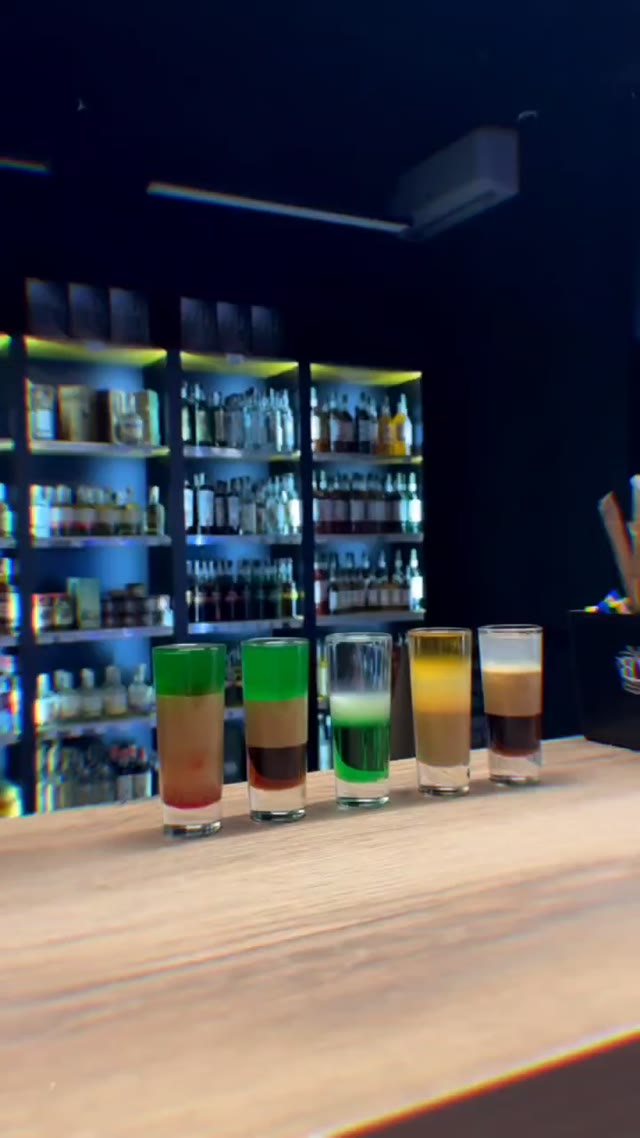
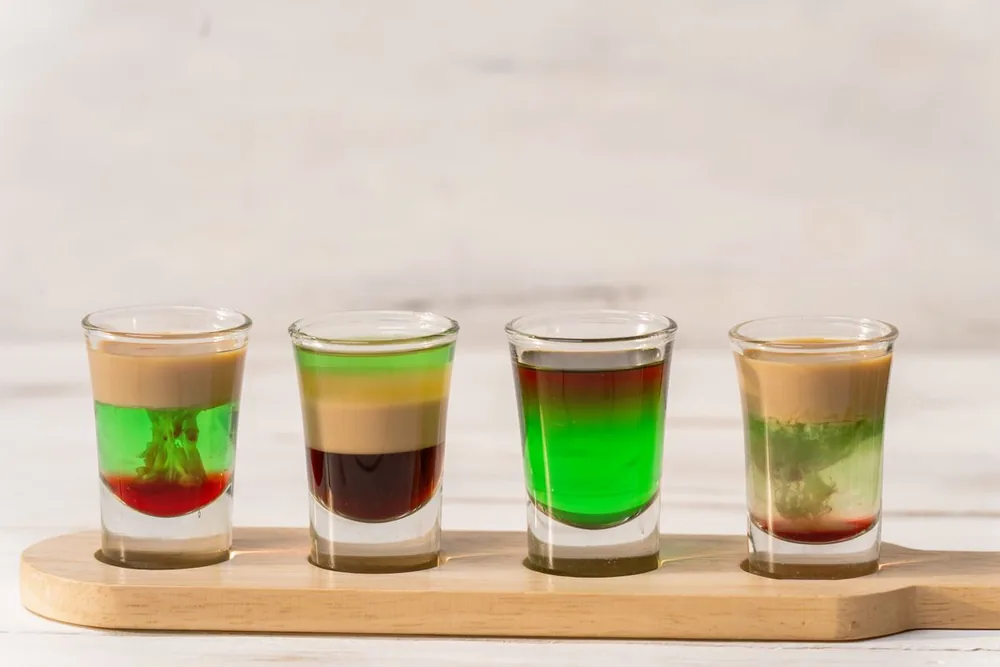
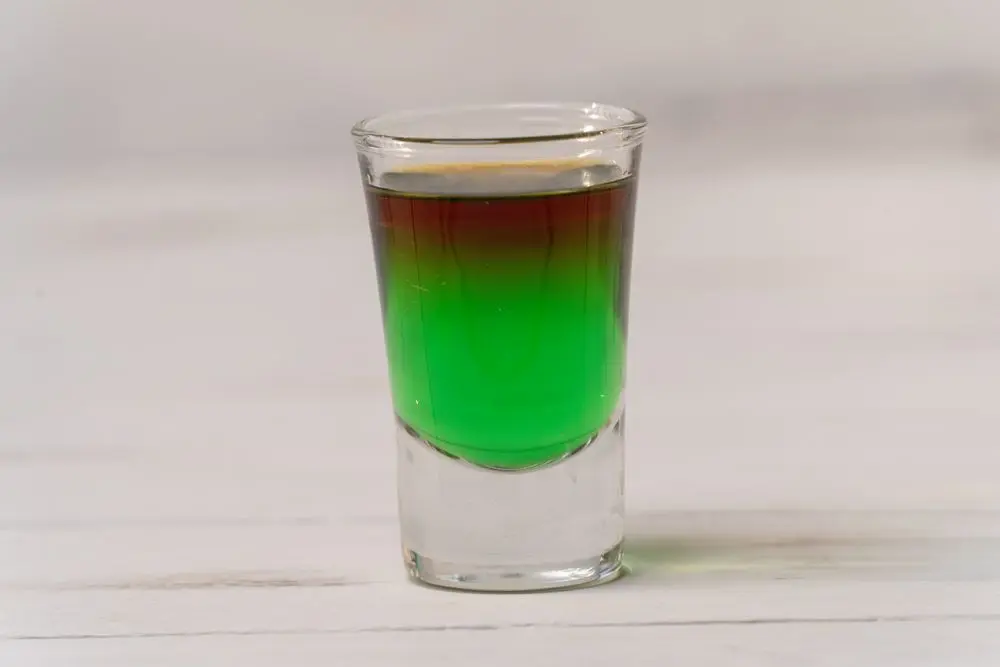
For layered shots, density decides everything: the more sugar a liqueur carries, the heavier it is and the lower it sits. Pour over the back of a bar spoon, from sweetest to lightest, and the layers will hold.
Pour from sweetest (heaviest) to lightest, in a thin stream over the back of a bar spoon held against the inside of the glass. Each new layer should settle on the one below rather than punch through it.
Can a liqueur replace sugar syrup?
Yes, if its flavour suits the drink — it sweetens and perfumes at once. Reckon on 20 ml of liqueur standing in for roughly 10 ml of syrup, then rebalance with acid.
How long does an opened cream liqueur keep?
Keep cream liqueurs refrigerated after opening and finish them within a few weeks — the cream separates over time. Sugar-based fruit and coffee liqueurs keep far longer at room temperature.